



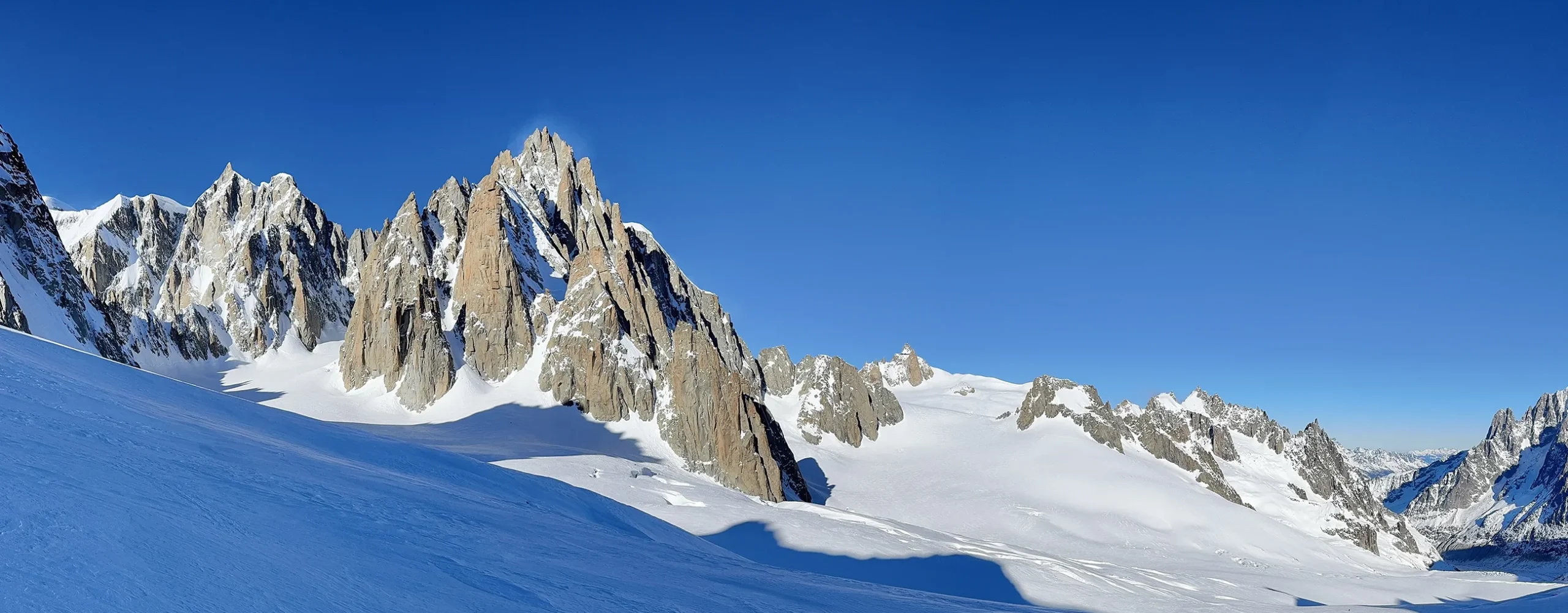
Private and guided, for skiers and snowboarders — following the best snow across Switzerland, Italy and France
Twenty years ago, no company would take you skiing across three countries in a single journey. A few adventurous souls were doing it on their own — I was one of them. And it was never only about the snow. Cross a single pass here and the language changes, and with it the architecture, the food, the whole rhythm of life. Three countries so close together, and so wonderfully different: a cultural journey, on skis.
But nobody was offering it, and once I tried to build it, I quickly understood why. The logistics are complicated. Hotels wanted week-long stays, not three nights; moving a group, its luggage and its plans across borders takes relationships that did not yet exist. Making the concept work took years of building them — and that is exactly what we did. We chose our name to define the idea: a safari, on skis, through the corner of the Alps where Switzerland, Italy and France meet.
Picture the day the safari moves: breakfast in Switzerland, first tracks down a silent glacier by mid-morning, a long Italian lunch in a village where the pasta is made by the owner’s grandmother — then an afternoon of descents on the way to your next hotel, in the next country, where the fire is lit, your room has been chosen for its view, and your luggage is already waiting. A day like that comes once or twice in a safari — never forced, always where the journey naturally flows, at the moment you are ready to discover the next country and its culture. The rest keeps a calmer rhythm, settled into each hand-chosen base. Tomorrow will be different, because the mountain will be different — and we will already know exactly where it is best.
The skiing is the heart of every safari — but it is the combination of everything that makes these journeys spectacular.
Every safari is designed from hundreds of hand-chosen details — the rooms, the tables, the routes, the pace, the flow — and guided by our own team of IFMGA-certified mountain guides: the same team, winter and summer, since the very first safari.
Contact us today.

What terrain do you ski and ride on a ski safari?
The terrain between the resorts — where the Alps are still wild
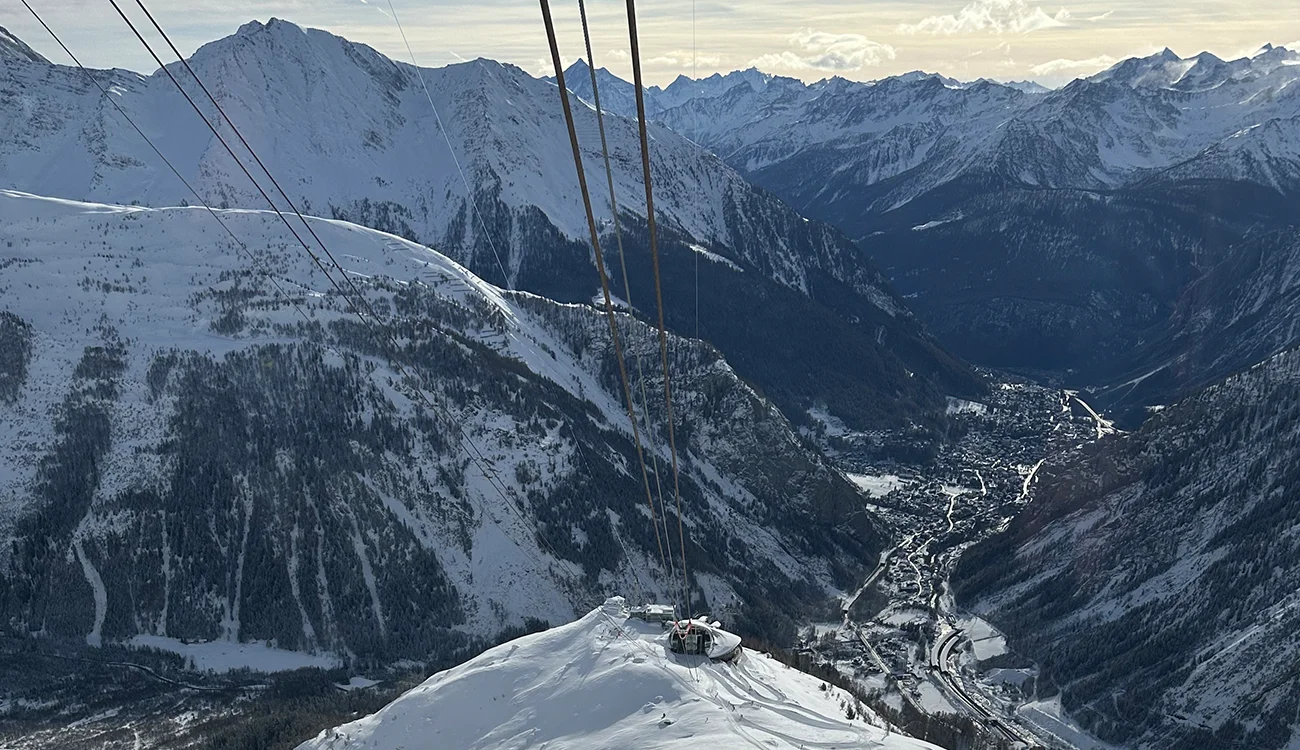
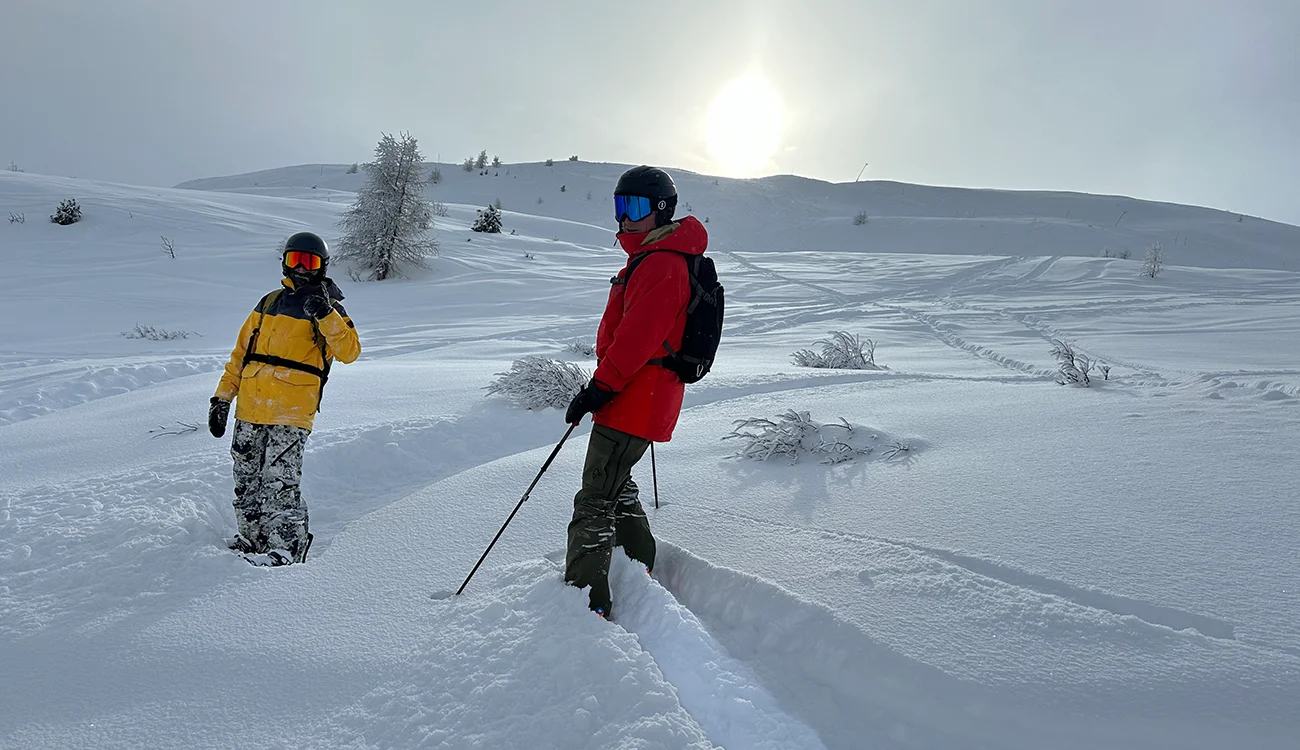
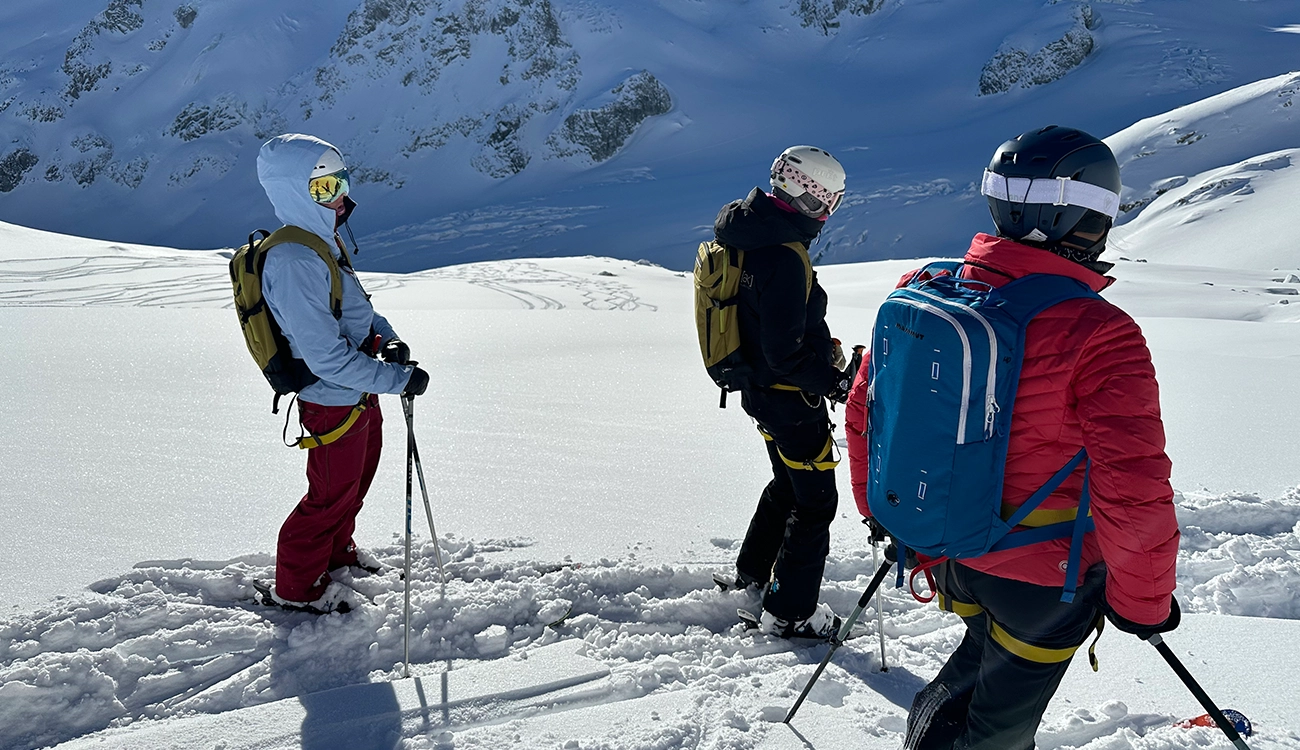
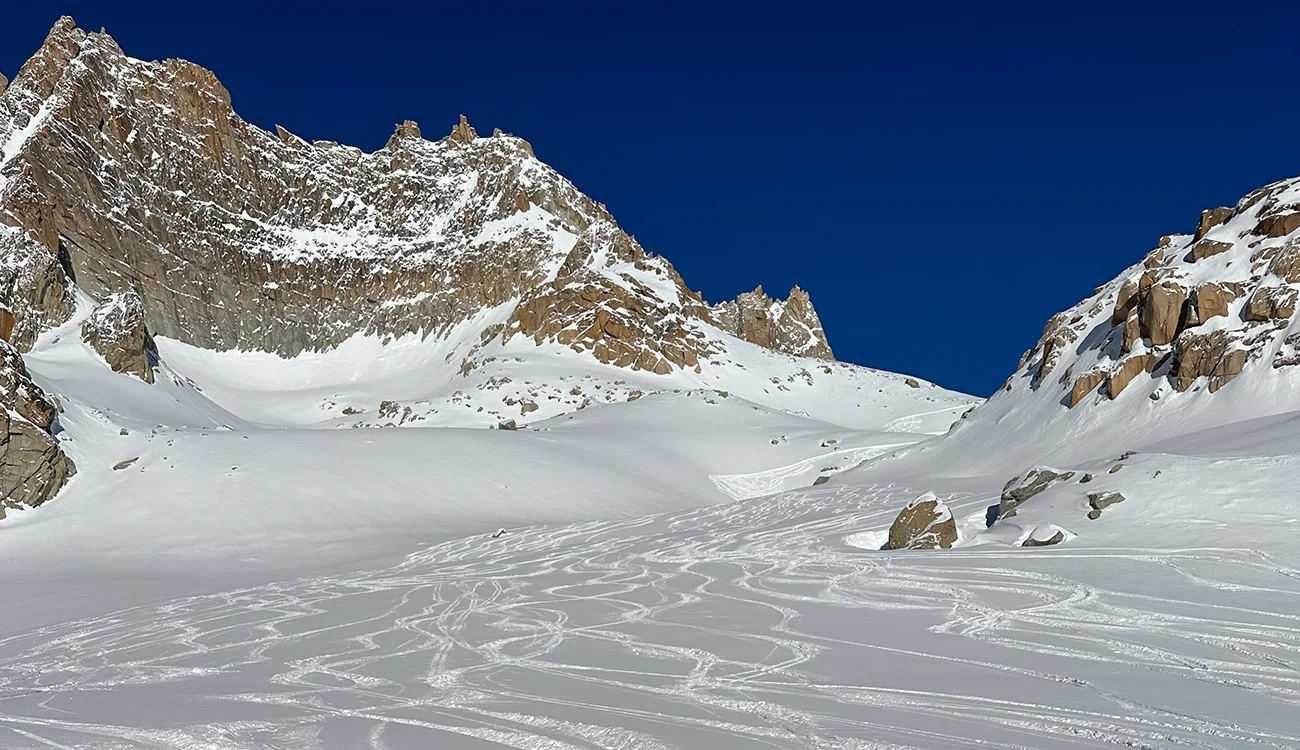
A ski safari moves through the terrain most skiers and riders never touch: the long, remote runs that connect one resort’s territory to the next, the glacier descents, the forests, the valleys where the only tracks are the ones you are making. The resorts are the doorways; the lifts are simply how we gain altitude. From there, the mountain opens up.
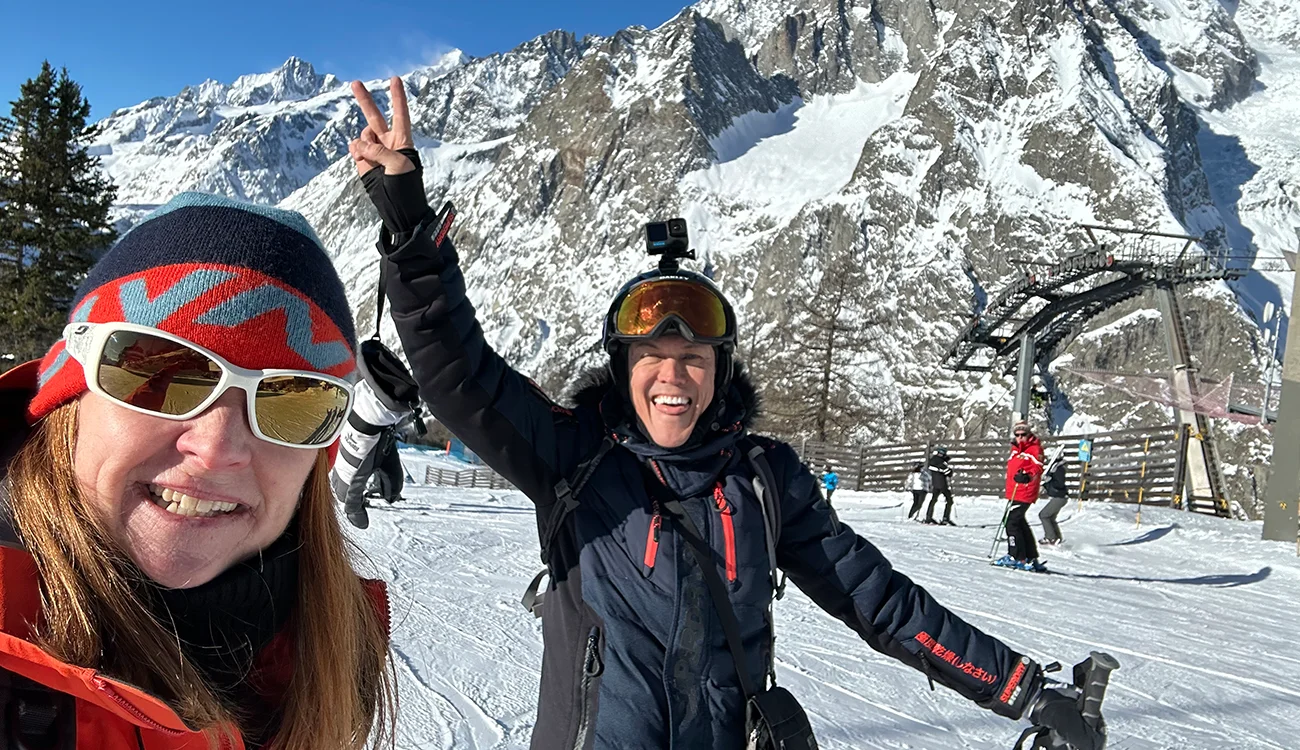
The variety is the point. In a single week you might ski wide glacier faces, ride cold powder through forests, follow an old smugglers’ route over a border pass, and finish a descent 2,000 metres below where you started it — in another country. No single resort can offer that week; the terrain for it only exists between them. Knowing which piece will be perfect tomorrow morning — that is our whole craft.
Snowboarders are at the heart of this company
SwisSkiSafari was founded by a snowboarder
Before I founded this company, I was the snowboarder on other people’s trips — heli-skiing and riding off-piste behind guides who chose every line for the skiers. Never out of malice; it simply did not occur to them that a board reads a mountain differently. It shocked me then, and I have spent the years since teaching our own guides to choose lines that work for both: the right descents, the right snow, routes that flow — and none of the flat traverses that can ruin a rider’s day. It is not difficult, but it takes thought, and I still watch for it on every safari. Attention like that does not happen by accident; someone has to insist on it.
And here is what I have learned about the riders who come: they already know. A snowboarder drawn to this kind of journey understands that parts of it will ask more of them than of the skiers — and they arrive prepared, because that is what snowboarding is. It can be hard, and the joy of these descents is worth every bit of it. Skiers and snowboarders travel together on every safari, and the itinerary is built so that both are having the best day on the mountain, every day.
If you have ever felt that trips were designed for skiers with snowboarders as an afterthought — this one was designed by one of you.
→ Plan your safari — designed by a rider contact us
Why is every ski safari guided?
Because the mountain changes every day — and the best skiing moves with it
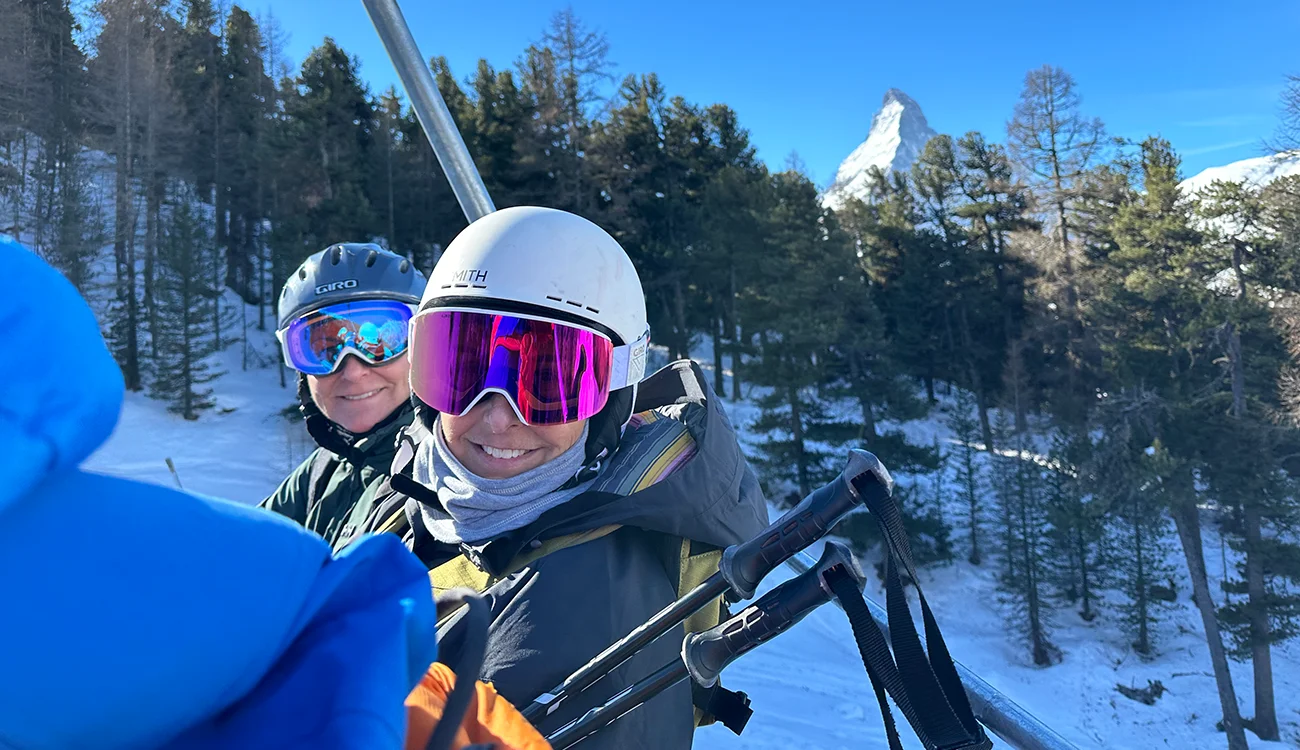
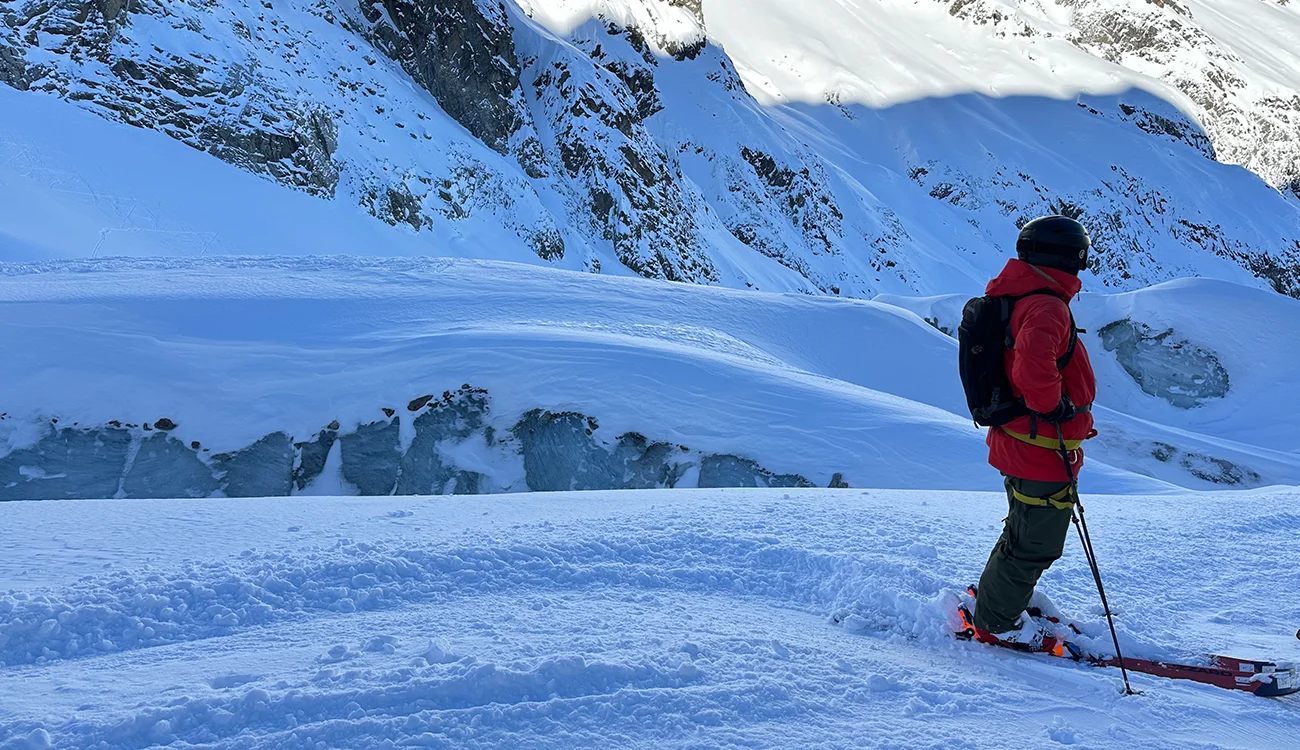
The honest answer is not safety — though we will come to that. It is that the weather and the mountain change every day, sometimes every few hours, and the finest skiing moves with them. The face that was perfect at nine is heavy by noon; the valley that skied poorly yesterday holds the best cold snow in three countries today. Without someone reading those changes as they happen, you will simply never ski the good stuff — you will ski whatever happens to be near the lift. I will admit something: since I began skiing this way, I find it genuinely hard to go back to resort skiing. Once you have followed the mountain instead of the piste map, there is no unknowing it.
And yes, this terrain deserves respect — which is the other reason your guide is one of our own IFMGA-certified mountain guides, someone who has skied and ridden this ground for decades. A snowpack has a memory, and we have followed this one since the first snowfall of the season — the layer it laid down, the warm week that changed it, everything the winter has added since. It is this knowledge, kept current from the first day of the season to the last, that puts you on extraordinary snow in the morning and fabulous conditions until the last descent — day after day.
How does the itinerary adapt during the trip?
Tomorrow is decided this evening
The itinerary you receive is written in pencil — deliberately. The planning begins six months or more before you arrive, because that is what it takes to hold the finest rooms across three countries — but what we fix early is the frame: the hotels, the logistics, the flow of the journey. The skiing stays in pencil to the very end. Each evening, your guide and our team look at what tomorrow actually offers: where it snowed, what the wind did, where the snow will stay cold and where the sun will soften it. Then tomorrow is drawn — and it is almost never the day we sketched all those months ago. It is better.
The adjusting never stops, and it is not only about the snow. The pace of the days, the order of the experiences, the balance of big descents and long lunches — we tune all of it while the trip is underway, around the people on it. This is the part no itinerary can show you: presence. Someone paying attention to your trip, every hour it is underway.
What is included beyond the skiing and riding?
Everything. That is rather the point
A safari includes the whole journey: your hotels, your tables, every transfer between regions and across borders, the reservations, the logistics, the contingencies. From the moment you arrive, nothing is your problem — it is ours. You will rarely see a lift line — the terrain we ski is far from where the crowds are — and you will never hunt for a taxi, chase a booking, or wonder where lunch is. Your only work is the descent.
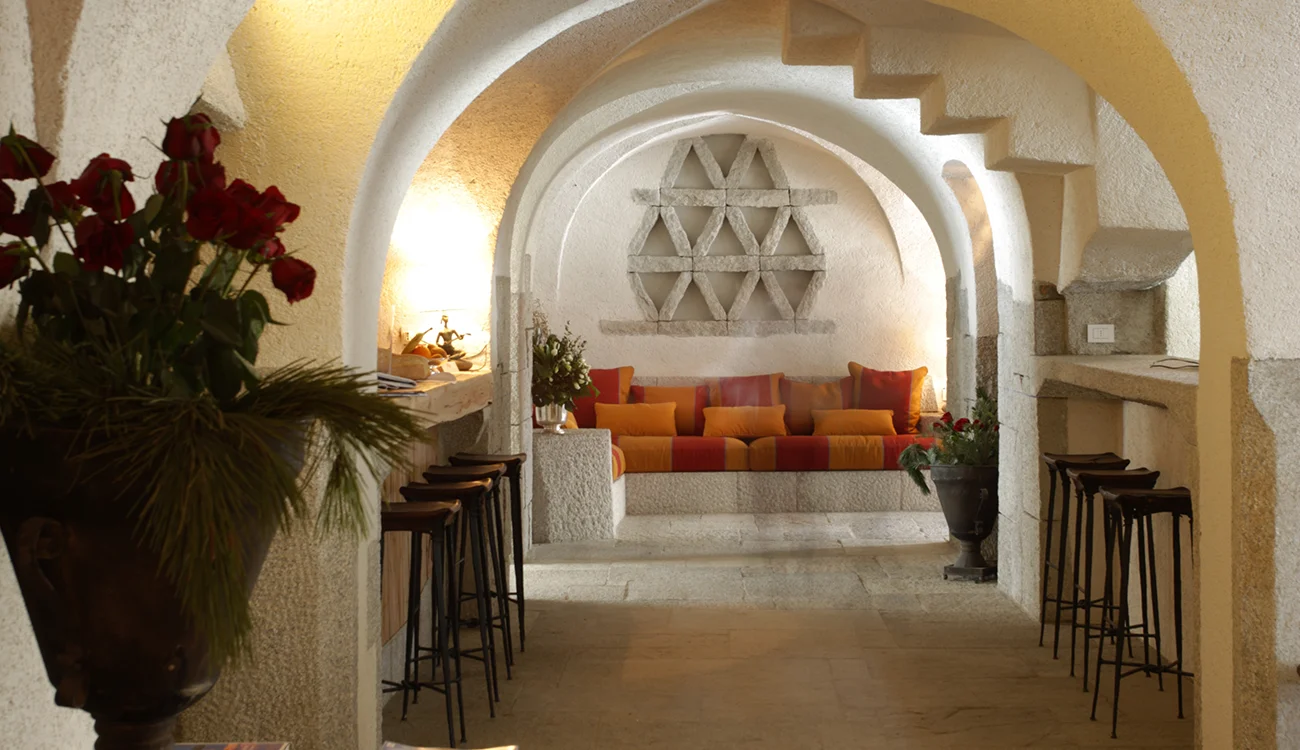
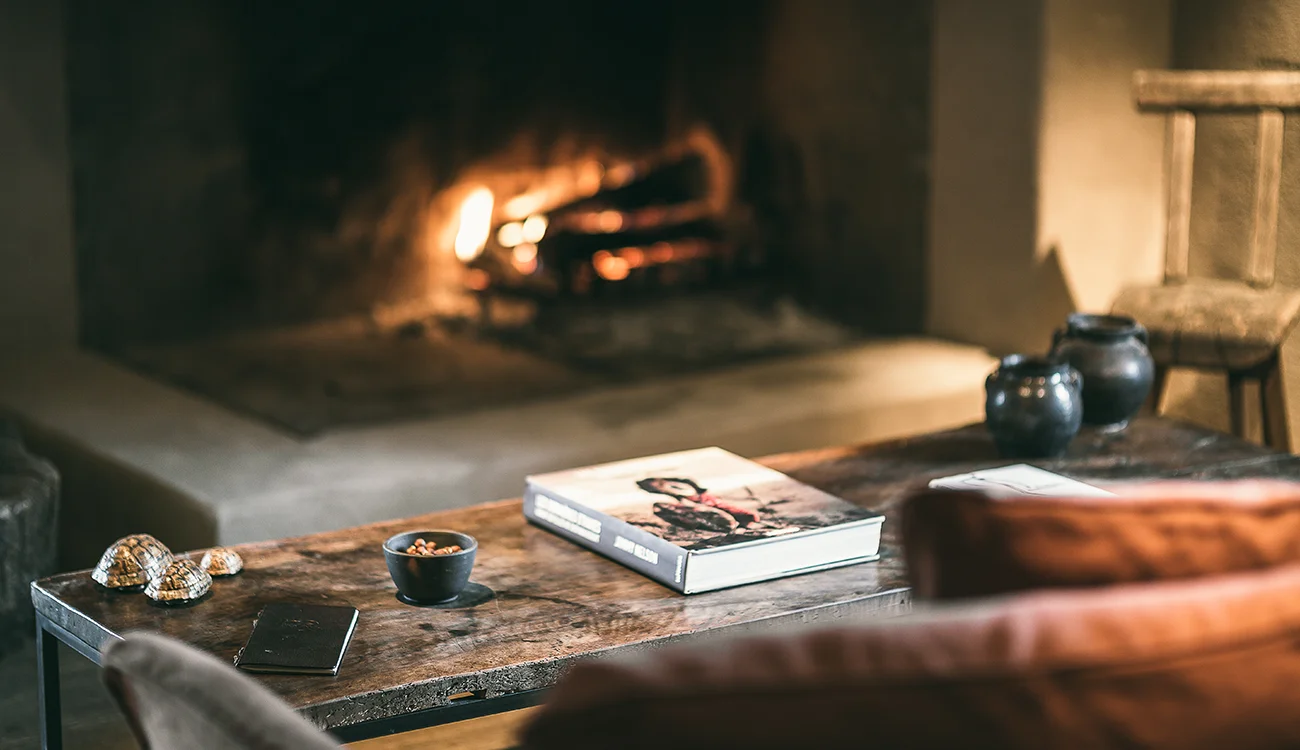
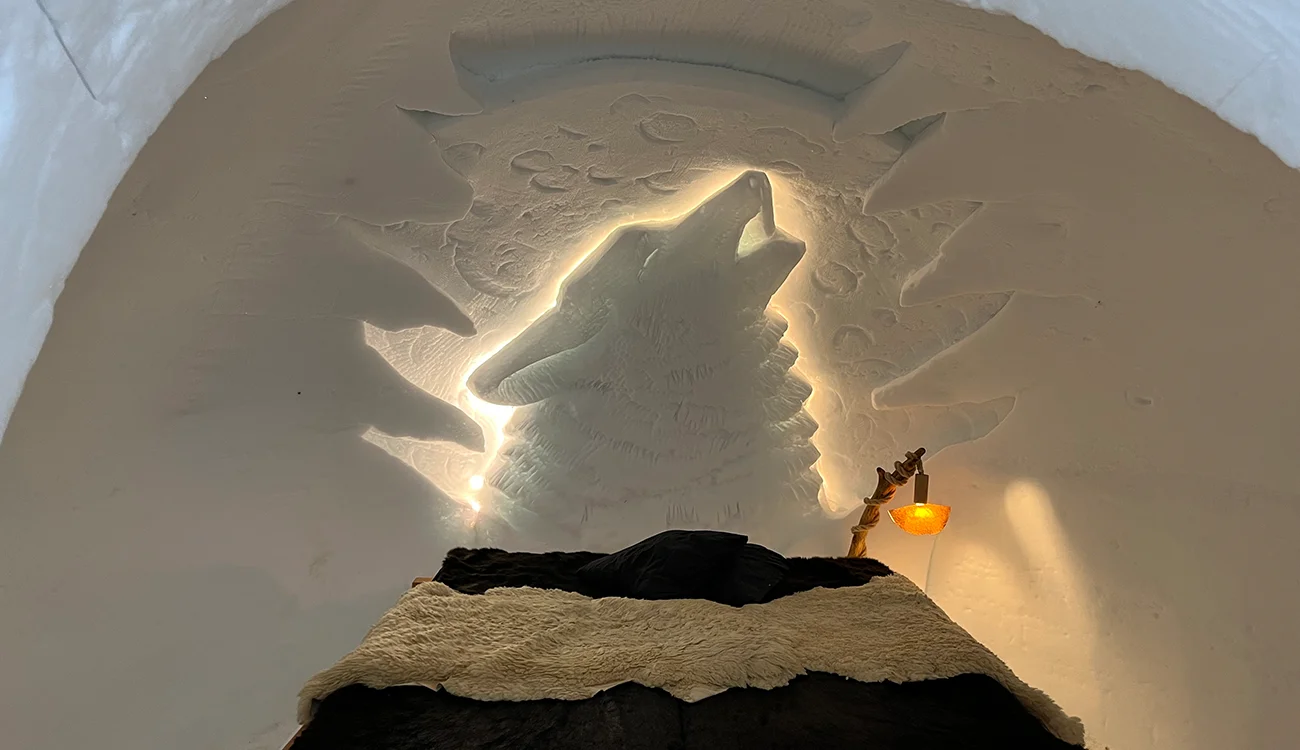
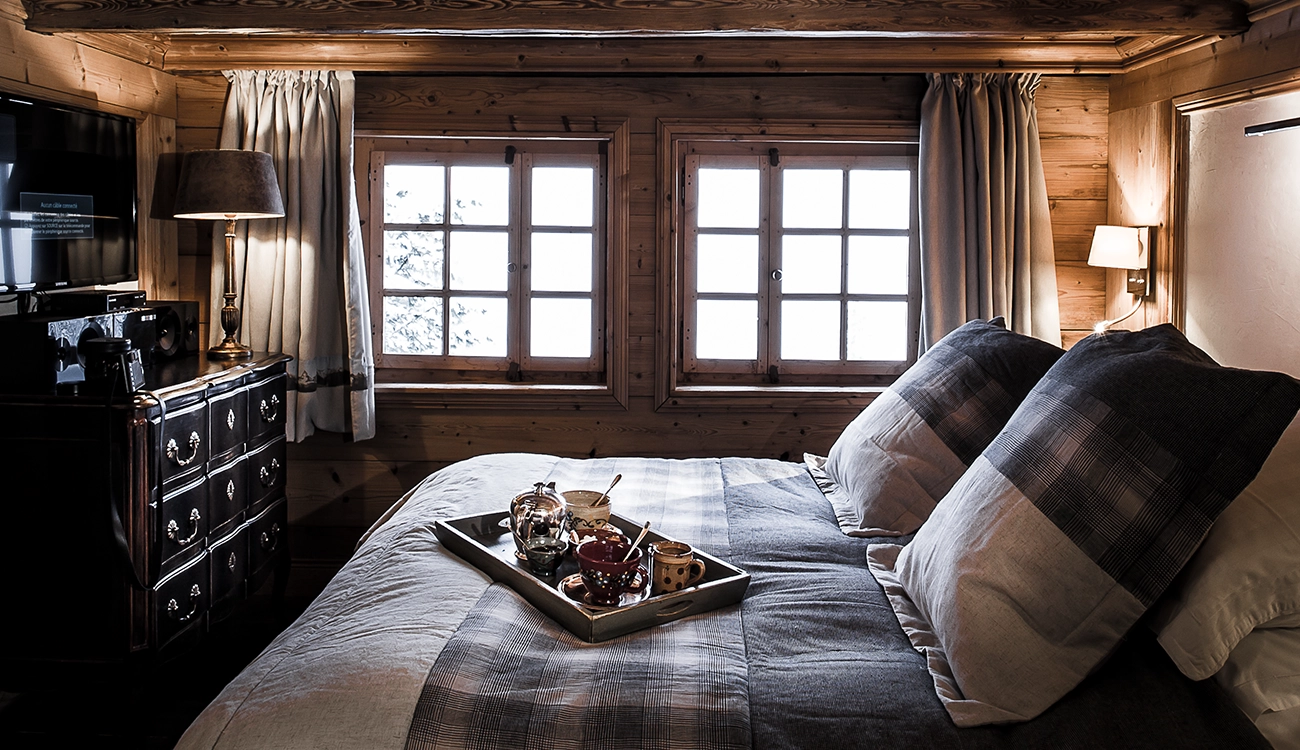
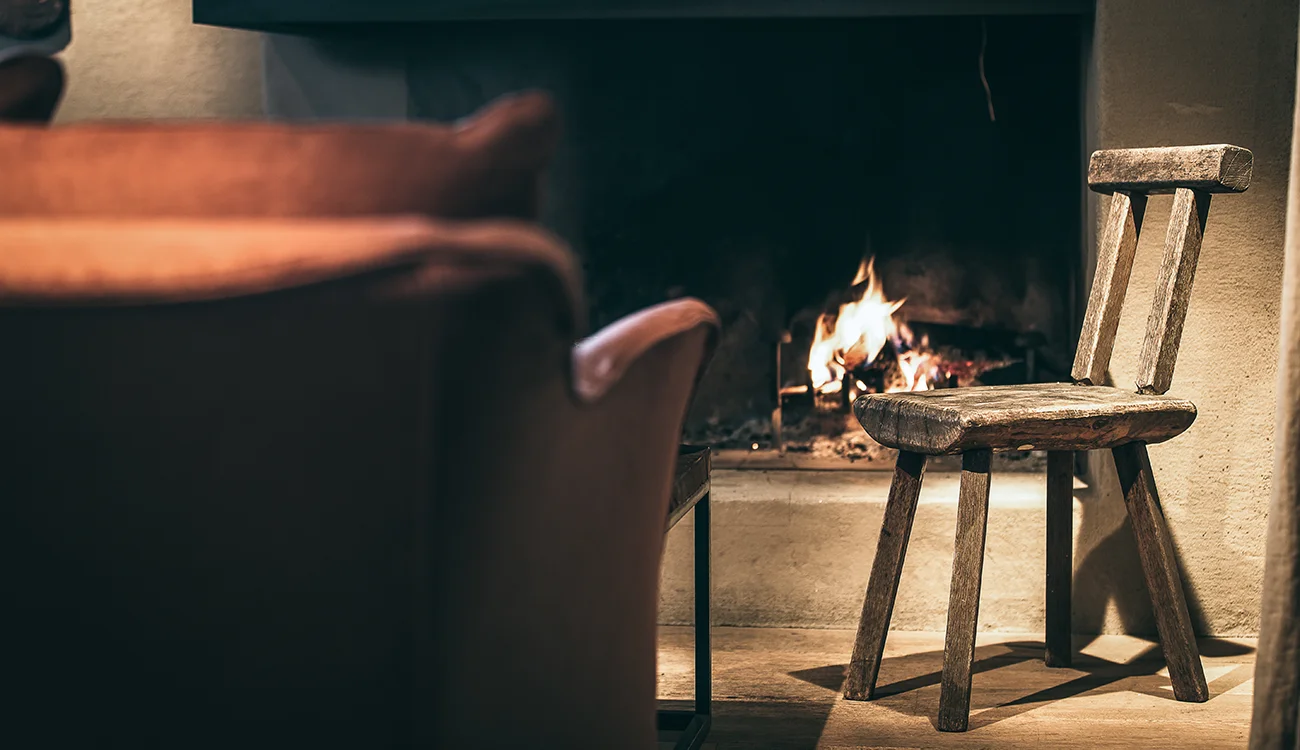
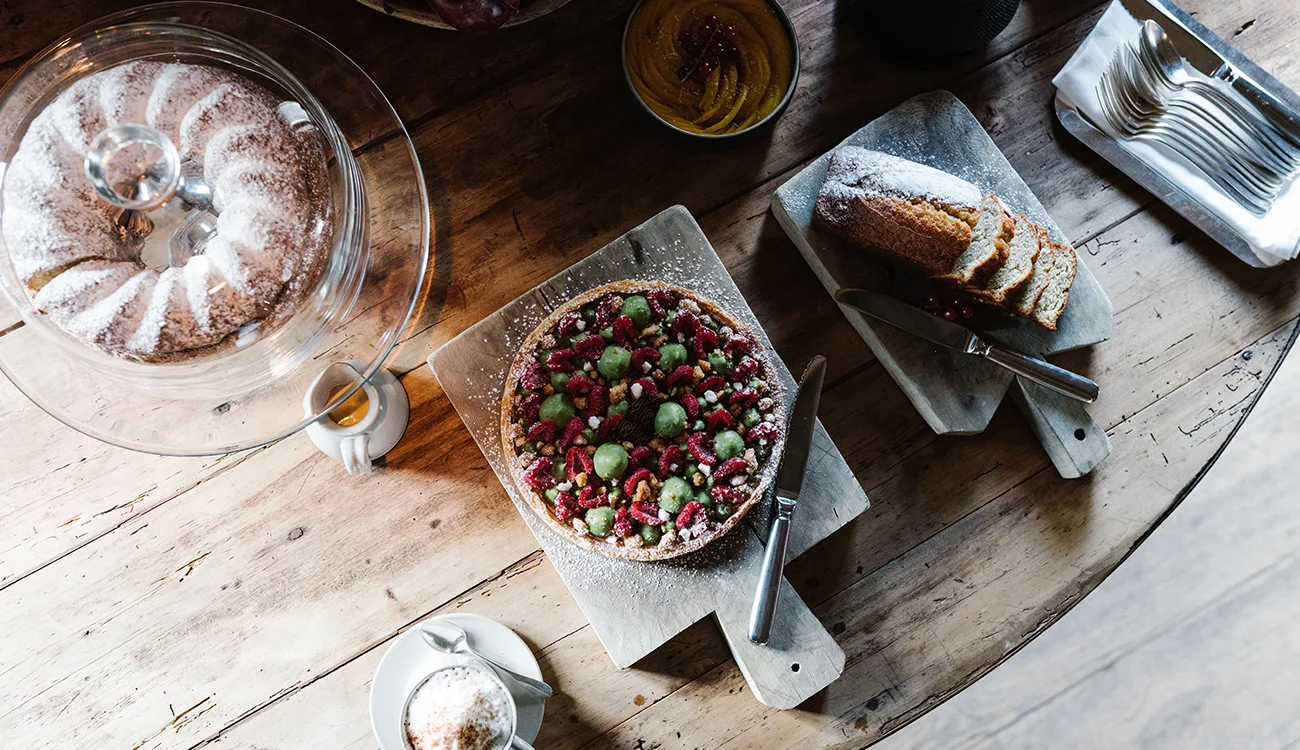
Where you sleep depends on the route we design together: a perfectly cosy chalet, a decadent modern hotel, an authentic mountain cabin, a snow-topped treehouse — between the Matterhorn and Mont Blanc, we arrange it all around you. And because the trip is built as one piece, everything arrives already decided in your favour: the room with the view, the table by the fire, the transfer waiting before you knew you needed it.
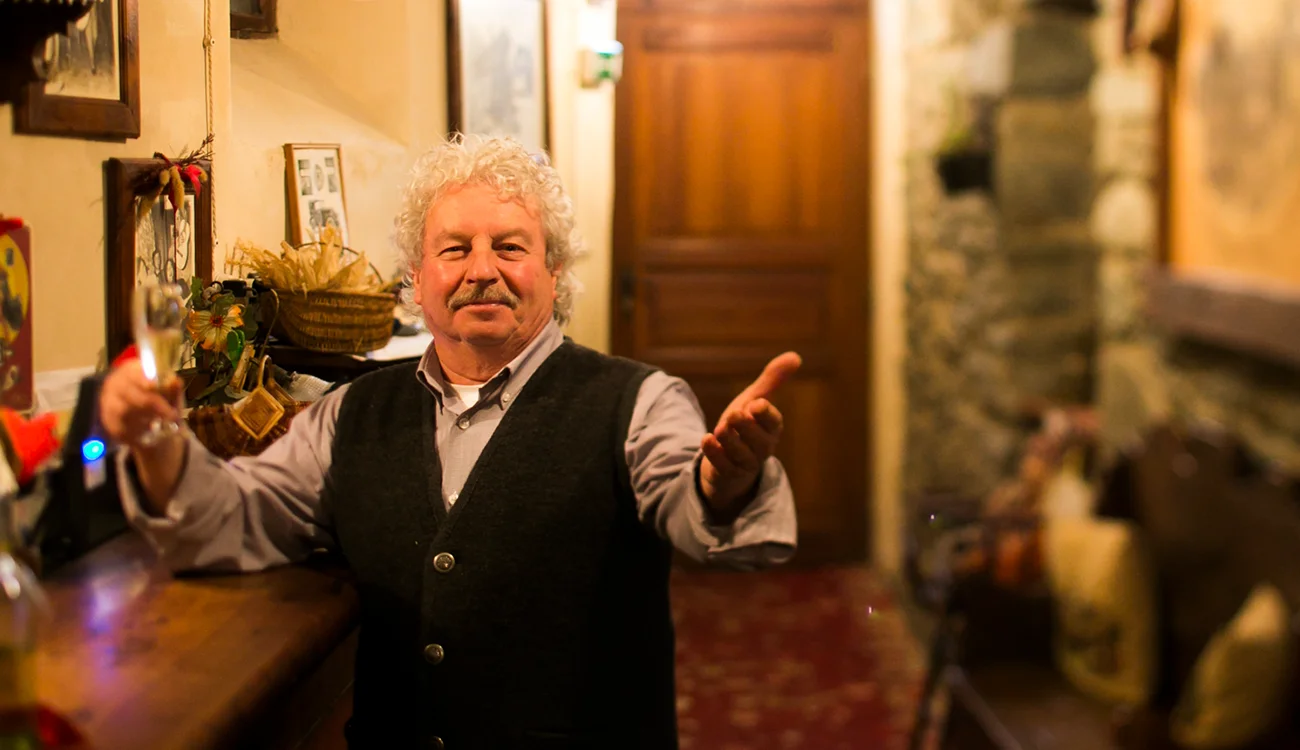
Then there is the part of the job you are never meant to see. On any journey across three countries, small things go sideways — a booking gets muddled, a message goes astray, weather closes a road. Our job is to catch them before you notice, standing quietly between you and every piece of friction for the whole of the trip. And our name carries a certain weight here: restaurants that take no reservations take ours, and requests that would be impossible for a stranger are somehow possible for us. None of it appears on the itinerary. All of it appears in your trip — which is how guests end up with more than they signed up for.
“Thanks so much for everything you did to accommodate my limitations and yet allow me to enjoy the full experience. I’m very appreciative and realize how closely you were monitoring all of our performance and adjusting activities accordingly.”
— Safari guest, 2026
How long is a ski safari?
Seven nights is the sweet spot — and there is a reason for it
A ski safari cannot be rushed. In three days you would spend more time moving than skiing — and you would leave the weather no room to show you its best. Winter travel in the Alps is deliberate: getting somewhere takes real effort, so a move has to be worth it. That is why we build the journey around a small number of bases and stay long enough at each to be repaid for the getting there — and why the geography here is such a gift: from the right base, you can ski two countries without moving at all.
Seven nights is where a safari finds its rhythm: three or four nights in one country, three or four in the next — time enough to settle into each hotel, to let the days build on each other, to cross a border on skis somewhere in the middle, and to finish wanting one morning more rather than needing one day fewer. The exact shape depends on your group, your hotels and what you are looking for. Some guests begin with five nights; and for a special occasion, or a journey that reaches beyond the skiing — a day given to the culture, the food, the villages — ten days opens a different kind of trip altogether.
Frequently asked questions
How good do I need to be? If you ski or ride every piste with confidence and are happy to leave them, you are ready. From there it is our calibration, not your worry: the range of terrain here is enormous, and we choose each day’s share of it around the group — so the week stretches you exactly as far as you want to be stretched.
Is it safe to ski and ride off-piste? With the right people, yes. Every safari is led by our own IFMGA-certified mountain guides, who make conditions-based decisions every single day, and guests carry full avalanche safety equipment throughout. This terrain demands expertise — that expertise is exactly what we provide.
Can I add a helicopter element? Yes — heli-drops can be woven into any ski safari when conditions align. Think of it as a remarkable addition to a day that is already exceptional, never a substitute for one. See our Heli-Ski Safari page for the full picture.
What does a ski safari cost? Every safari is priced the way it is designed: from scratch. As a benchmark, most begin from around CHF 1,500 per person per day, and the final figure is shaped by your hotels, the length of the journey, and whether a helicopter joins it. Tell us what you have in mind and we will come back with a detailed proposal.
Do you move hotels every day? No — and deliberately so. We base you in a region long enough to genuinely feel it, and move when the skiing makes it worthwhile. That said, if the snow moves, we can move with it — flexibility is one of the things twenty years here has earned us.
Do you cater for snowboarders? We love snowboarders — our founder is one, and every itinerary is planned with riders in mind, never as an afterthought. The full story of why is on our Ski Safari page.
Begin planning your safari
Every safari begins the same way: with a conversation
Tell us how you ski, how you ride, and what you are dreaming of. The pencil is ready.
Contact us to design your winter safari →
Or call us directly: +41 79 239 41 52
We know of no finer way to see the Alps